Expert Tips for Making Therapy More Accessible and Effective This Year
Thinking about therapy but wondering "Where do I even start?" or "Can I actually afford this?" You're far from alone—millions feel that hesitation.
The truth? Mental health care is getting more reachable every year, with telehealth booming and options expanding. Finding a good therapist Arlington TX match doesn't have to be overwhelming if you know the hacks.
This year especially, with trends pushing accessibility front and center, it's easier than ever to make therapy work for your life and budget.
Let's break down some straightforward tips—no fluff, just what actually helps people get started and get the most out of it.
Why Accessibility Matters More Than Ever
Over 25% of adults with mental illness report unmet needs, largely due to cost, stigma, or availability—per the latest from Mental Health America.
But 2026 is shifting that: Telehealth, sliding scales, and inclusive platforms are closing gaps. It's about making support fit real lives, not the other way around.
Top Tips to Make Therapy More Accessible
Here are practical steps—pick what feels right for you:
- Start With Telehealth or Online Options No commute, flexible times, often lower costs. Many platforms match you quickly from home.
- Check Insurance and Low-Cost Alternatives See what's covered (many plans include mental health now). If not, look for sliding-scale providers or community clinics.
- Use Free or Low-Cost Resources First Hotlines, support groups, or apps for immediate tools while you search.
- Narrow Your Search Smartly Filter for specialties, backgrounds, or modalities that click with you—diversity in providers helps.
- Ask About Payment Plans or Sessions Many offer flexible pricing based on income.


Tips to Make Therapy More Effective Once You Start
Getting in the door is half the battle—here's how to maximize it:
- Prep a Bit Before Your First Session Jot down what's bothering you most or goals. It helps jumpstart things.
- Be Open (But at Your Pace) Honesty builds progress—share what feels safe first.
- Track Progress Outside Sessions Note mood shifts or wins weekly. Brings clarity to what works.
- Do the "Homework" If Assigned Small practices between sessions compound results big time.
- Speak Up If It's Not Clicking Good therapists welcome feedback—switching is okay.
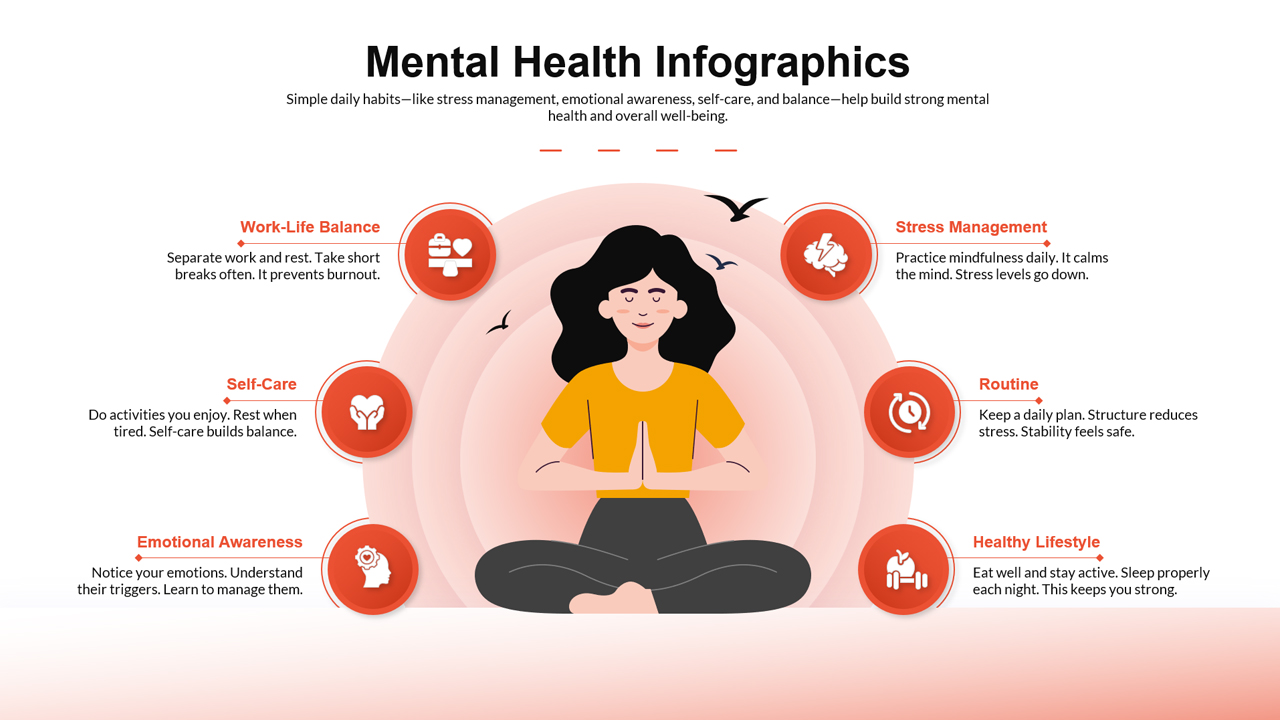
- Combine With Daily Habits Sleep, movement, or journaling amps therapy's impact.
A Few Gentle Reminders
Stigma's fading, but it's normal to feel nervous. The first step is the bravest—and resources like NAMI or Psychology Today finder tools make it smoother. Trends from Grow Therapy show virtual care sticking around for good reason.
If local feels best, solid counseling Arlington TX options can make that connection feel grounded and supportive.
You deserve this—whatever pace works. What's holding you back most, or what's helped you before? Share if you want; no pressure.
Disclaimer: This is general guidance, not medical advice. Therapy experiences vary—consult professionals for your situation, and reach for 988 in crisis.


Comments
Post a Comment