Holistic Therapy for Anxiety in Arlington, TX: Effective Strategies and When to Seek Help
Important Disclaimer: This article provides general educational information about mental health and is not a substitute for professional medical advice, diagnosis, or treatment. Always seek the advice of a qualified healthcare provider with any questions you may have regarding a medical condition.
About the Author
This article is written by Sedrick Jackson, LCSW-S, Clinical Director at Therapy Central in Arlington, Texas. With years of experience in trauma-informed care, EMDR, and integrative holistic therapy, Sedrick holds Texas License #41529 and specializes in helping individuals manage anxiety through evidence-based and mind-body approaches. For more about our team, visit our providers page.
Introduction
Anxiety is one of the most common mental health challenges in the United States. Recent data shows that nearly 18-20% of adults experience symptoms of anxiety disorders each year, affecting daily life for millions.
In fast-paced areas like Arlington, TX—where work demands, traffic, and family responsibilities add up—these feelings can become even more intense.
If you're noticing excessive worry, restlessness, or physical tension that won't go away, you're not alone. Many people find relief through holistic approaches that address both mind and body.
This guide explores what anxiety looks like, the science behind holistic strategies, practical tools you can use today, and signs it's time to reach out for support. Let's break it down step by step.

Understanding Anxiety – Signs and Symptoms
Anxiety isn't just "feeling stressed"—it's a natural response that can become overwhelming when it persists.
Common signs include:
- Excessive worry about everyday things
- Restlessness or feeling on edge
- Fatigue, even after rest
- Difficulty concentrating
- Irritability
- Muscle tension
- Sleep disturbances, like trouble falling asleep or staying asleep
Physical symptoms often appear too, such as rapid heartbeat, sweating, or shortness of breath.
These can vary from person to person. In busy communities like Arlington, factors like long commutes or job pressure might amplify them.
Recognizing these early helps you take proactive steps.
The Science Behind Holistic Approaches
Holistic therapy views anxiety through a mind-body lens, combining evidence-based practices with complementary techniques.
Research supports several approaches:
- Mindfulness and relaxation techniques show promise in reducing symptoms, according to the National Center for Complementary and Integrative Health .
- Yoga and similar mind-body interventions can help manage anxiety disorders .
- Complementary therapies like acupuncture or music therapy may serve as helpful additions .
- Natural relaxation methods, including breathing exercises, contribute to overall calm .
These methods work by calming the nervous system and building resilience over time.


Practical Strategies You Can Try Today
Here are evidence-inspired tools to start managing anxiety right away. Begin small—consistency matters more than perfection.
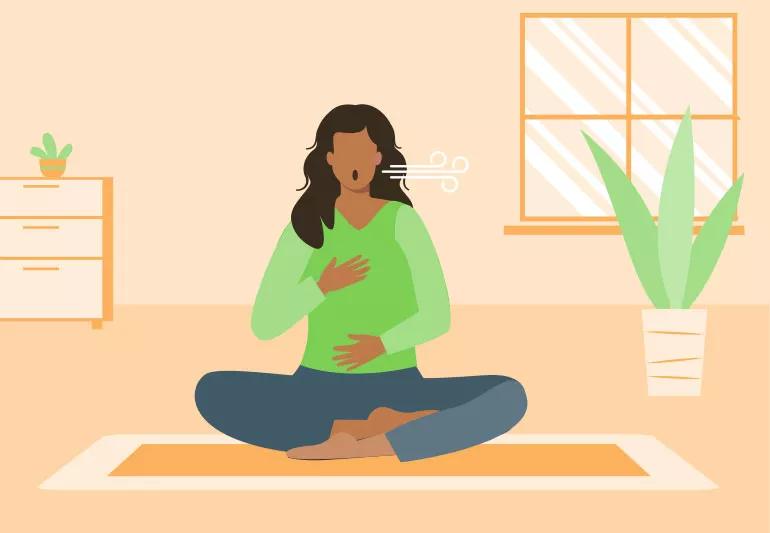
1. Deep Breathing Exercises
Slow, intentional breathing activates the body's relaxation response.
Try the 4-7-8 method: Inhale for 4 seconds, hold for 7, exhale for 8. Repeat 4-6 times.
Many find this reduces acute worry quickly.
2. Progressive Muscle Relaxation
Tension often builds in the body during anxiety.
Tense each muscle group (like fists or shoulders) for 5 seconds, then release. Move from toes to head.
This helps release stored stress.
3. Mindful Movement Like Yoga or Walking
Gentle movement combines physical activity with present-moment awareness.
A short daily walk in a park or simple yoga poses can lower symptoms.
4. Journaling for Worry Management
Write down anxious thoughts to externalize them.
Ask: "Is this worry based on facts?" or "What evidence supports or refutes it?"
This cognitive technique builds clarity.
5. Grounding Techniques
When overwhelmed, use the 5-4-3-2-1 method: Name 5 things you see, 4 you can touch, 3 you hear, 2 you smell, 1 you taste.
It brings you back to the present.
Practice one or two daily for best results.
How Professional Holistic Therapy Enhances These Strategies
Self-help tools are powerful starting points, but professional guidance tailors them to your needs.
Holistic therapy often integrates evidence-based methods with mind-body practices for deeper relief.
Many centers offer exceptional holistic mental health services that combine traditional counseling with complementary approaches.
A client-centered approach to wellness can make strategies more effective and sustainable.
When to Seek Professional Support
It's a sign of strength to reach out when anxiety impacts your life.
Consider professional help if:
- Symptoms last more than a few weeks
- Worry interferes with work, relationships, or daily tasks
- You experience panic attacks or avoidance behaviors
- Self-help isn't enough to manage intensity
Early support often leads to better outcomes.
Finding the Right Support in Arlington, TX
In Arlington and the DFW area, options include licensed therapists who blend evidence-based and holistic methods.
Look for welcoming environments that prioritize your whole well-being.
Local resources can provide personalized plans to help you thrive.
Frequently Asked Questions
What are the most common signs of anxiety?
Excessive worry, restlessness, fatigue, irritability, muscle tension, and sleep issues are typical. Physical signs like rapid heartbeat can occur too.Can holistic approaches really help with anxiety?
Yes—research shows mindfulness, yoga, and relaxation techniques can reduce symptoms for many, often as complements to traditional care.Are breathing exercises effective for quick relief?
Absolutely. Techniques like 4-7-8 breathing calm the nervous system and can lower acute anxiety in minutes.When should I see a professional for anxiety?
If symptoms persist, disrupt daily life, or include severe physical effects, consult a licensed provider promptly.How do I choose a holistic therapist in Arlington?
Seek licensed professionals experienced in integrative, evidence-based care in a supportive setting.Conclusion
Anxiety is common, but manageable with the right tools and support.
By understanding signs, trying practical strategies, and knowing when to seek help, you can take meaningful steps toward calm and balance.
Remember self-compassion—progress takes time, and you're capable of positive change.
Start with one small practice today, and build from there.
Author Bio:
Sedrick Jackson, LCSW-S, is the Clinical Director at Therapy Central, a holistic mental health center in Arlington, Texas. Learn more about our providers.


Comments
Post a Comment